


Why zero to landfill is gaining ground
When it comes to sustainability, carbon reduction often takes centre stage. But across Australia’s telecom sector, the most immediate and measurable impact is coming from landfill diversion.
Australia produces over 500,000 tonnes of e-waste every year. With pressure mounting from regulators, investors and the public, telcos are turning their focus to zero to landfill strategies.
At TXO, we’re helping leading operators, carriers & ISP’s, including Telstra, Optus, TPG Telecom and Vocus, make that shift. Together, we’re enabling faster network rollout, reducing waste, and delivering measurable environmental outcomes.

Why landfill is the new front line
Net zero remains a critical goal. But zero to landfill offers something more immediate. It’s tangible, trackable and deeply tied to Australia’s regulatory landscape and environmental expectations.
Here’s why it matters now:
- Australia’s e-waste problem is growing, with tighter regulations making landfill a last resort
- Infrastructure upgrades are accelerating, generating more decommissioned equipment than ever
- Bushfires, floods and climate shocks highlight the need for resilient and recoverable networks
- Public and investor expectations have shifted from promises to proof
While complete zero to landfill outcomes are still a work in progress, particularly in areas like packaging and general waste, the telecom sector is making clear strides in reducing equipment waste through reuse and resale strategies.
And with national and state governments pushing for zero landfill by 2030, the urgency to shift toward circular models has never been greater.
A smarter way to manage telecom assets
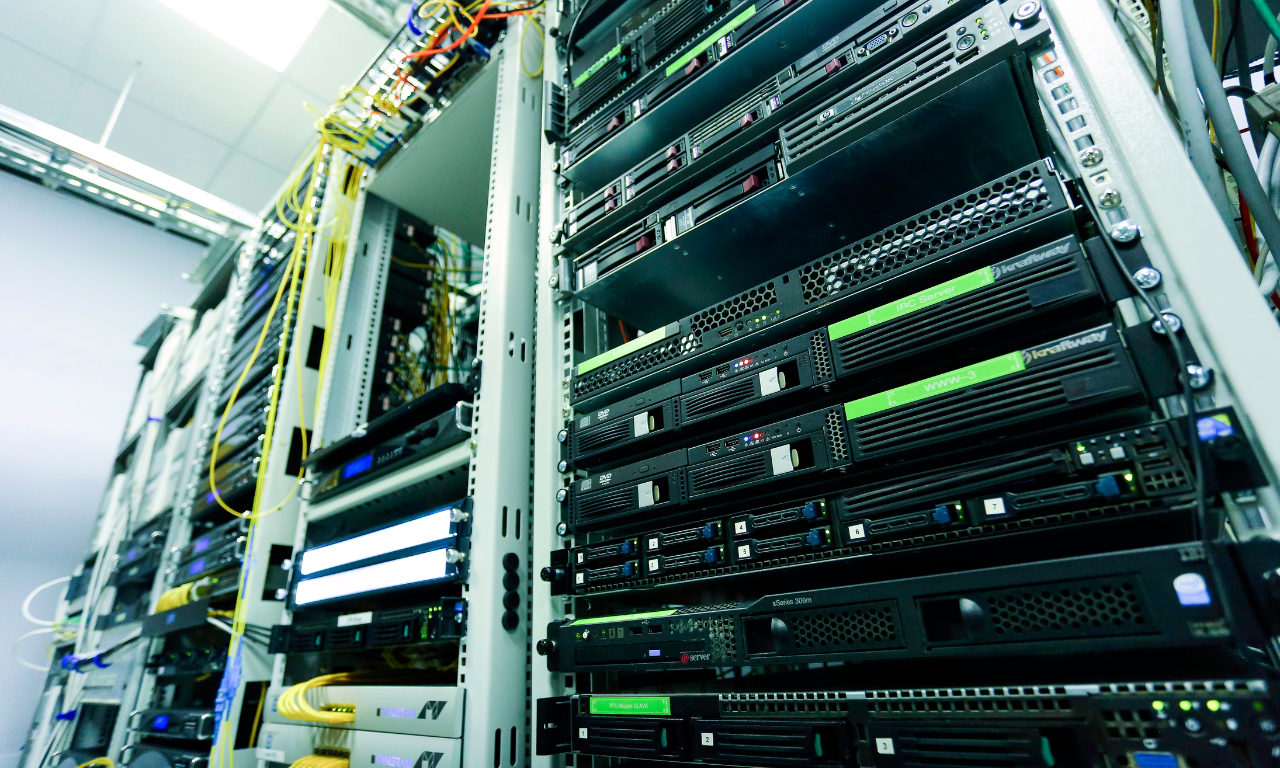
TXO’s circular model designed to optimise, manage, deploy and resell helps telcos extend the life of their critical infrastructure.
We enable operators to:
- Recover and triage decommissioned equipment
- Test, refurbish and redeploy within their own networks
- Resell surplus technology across our global platform
- Recycle responsibly with full traceability
This model prioritises reuse and resale because equipment that’s still functional and compliant should be supporting another network, not being broken down. Refurbishment gives technology a second life, delivering stronger environmental and financial returns whilst enabling the first step of the circular economy.
Recycling should be the final step in the lifecycle of equipment, when it can no longer be safely reused, is no longer required to support a legacy network, or has lost commercial demand. Although recycling remains an important part of the circular economy, particularly to support the reduction of new raw material extraction, resale is a significantly more ESG-friendly path.
By following this hierarchy – reuse first, recycle last – we help telcos reduce costs, improve agility and minimise unnecessary landfill, all without compromising on quality, compliance or performance.

Circularity builds resilience
Australia’s telecom environment is shaped by regulation, supply chain volatility and the urgent need to modernise. Circularity provides a strategic edge, helping telcos to:
- Accelerate 5G and fibre deployment using verified reused parts
- Reduce dependence on global vendors and long lead times
- Achieve landfill diversion targets while lowering emissions
- Meet ESG and regulatory standards with full transparency
This is not just an environmental decision. It’s operational, financial and reputational.

The future is circular
While each telco has its own priorities, from rural connectivity to sovereign capability and ESG commitments, the shift toward zero to landfill is a shared goal.
Sustainability that overlooks waste is no longer enough. At TXO, we help telcos turn circularity into real-world results, minimising waste, reducing costs and building more resilient networks.
If you’re ready to lead on circularity through smarter reuse, resale, and responsible recycling, we’re here to help.